How it Feels to be a Woman in a “Men’s” Industry
24.02.2026
7 minuta čitanja
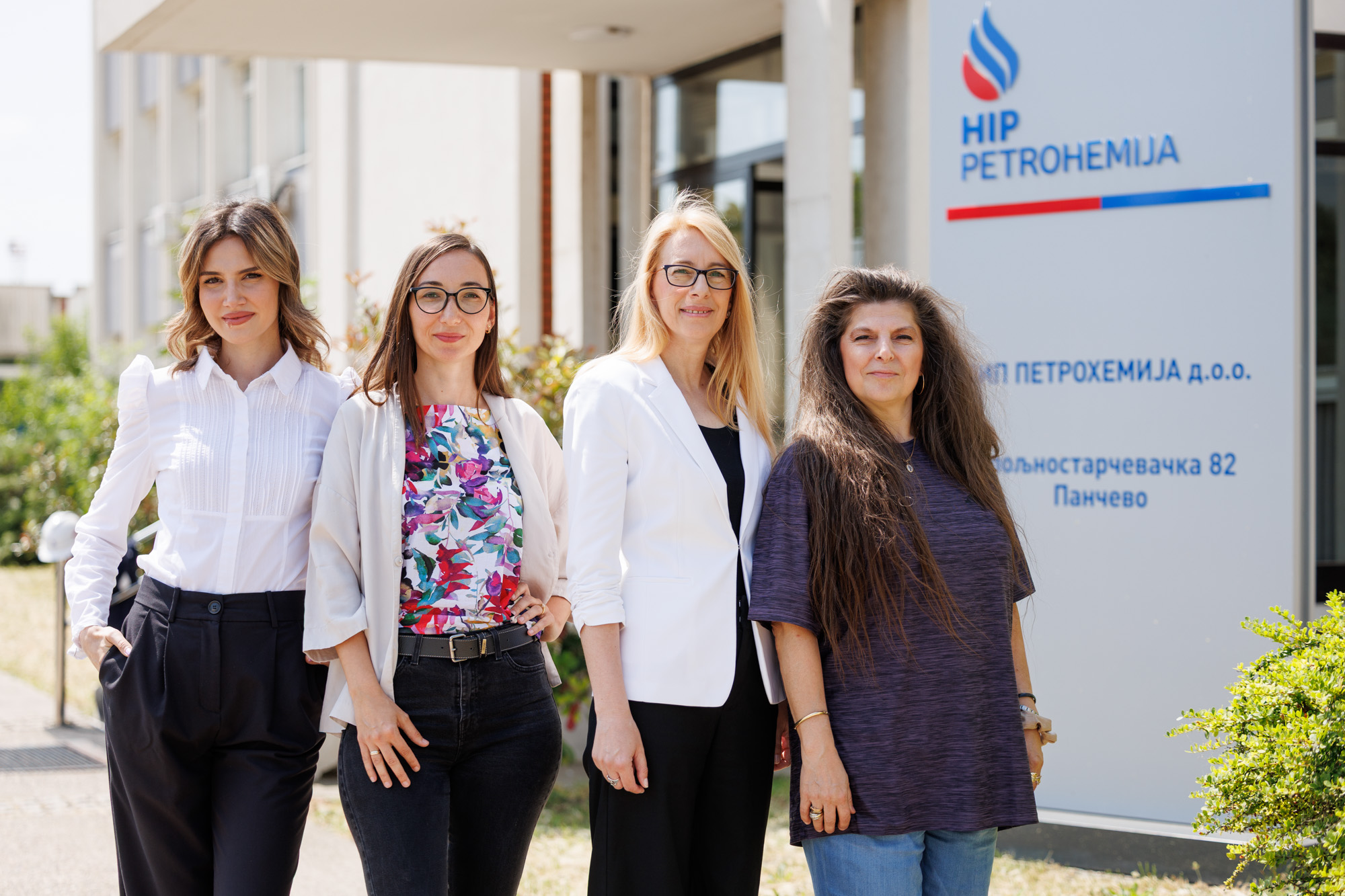
At HIPP, many projects and tasks are multidisciplinary and they require collaboration, making the building of trust and respect among colleagues — including civil, mechanical, chemical, and other engineering disciplines, regardless of gender—just as important as expertise, knowledge, and responsibility.
Several female colleagues from HIP-Petrohemija shared their personal experiences on what it is like to work in a predominantly male environment, in roles that often require wearing protective gear and visiting production plants. Here is what they told us.
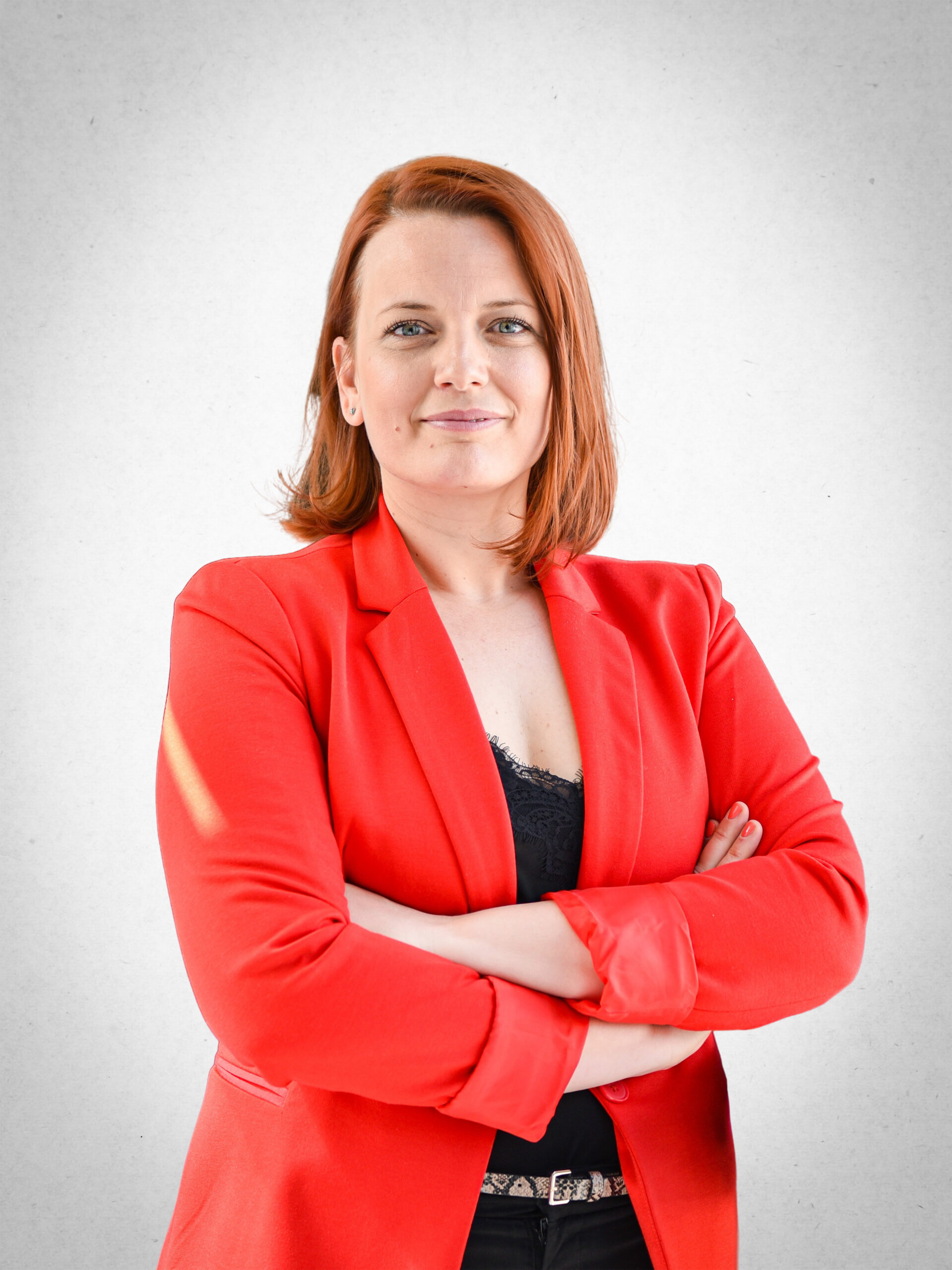
Natasa Perovic
Head of Procurement Department
– During my full 12 years at NIS, I never felt that we were in a ‘men’s business.’ Working in a business centre largely made that division unnoticeable. It was only after moving to HIP-Petrohemija and getting closer to production and operations that I truly felt this is a ‘male’ industry. However, this has never affected me or my work, not even for a moment — on the contrary. I accepted it as just another challenge that drives me to be even more persistent, stronger, and more successful in my job.
The sanctions imposed on our company have significantly impacted the operations of the Procurement Sector of HIPP, introducing unprecedented dynamics and challenges. Procurement, where over 90% of employees at HIPP are women, has demonstrated an exceptional level of persistence, resourcefulness, and courage to ensure the continuity of supply for raw materials, chemicals, and services. Although we are aware that this struggle is not over and that new obstacles and difficulties lie ahead, HIPP Procurement, fuelled by its female energy, remains determined to carry its tasks and ideas through to completion.
I would also like to emphasize that, as much as we live in an era of women’s empowerment, we also owe our success to our wonderful male colleagues, who are always there for us, providing endless and selfless support and encouragement. They introduced us to ‘their’ industry and helped us understand how everything works. We expected nothing less from them, as they are true professionals and gentlemen.
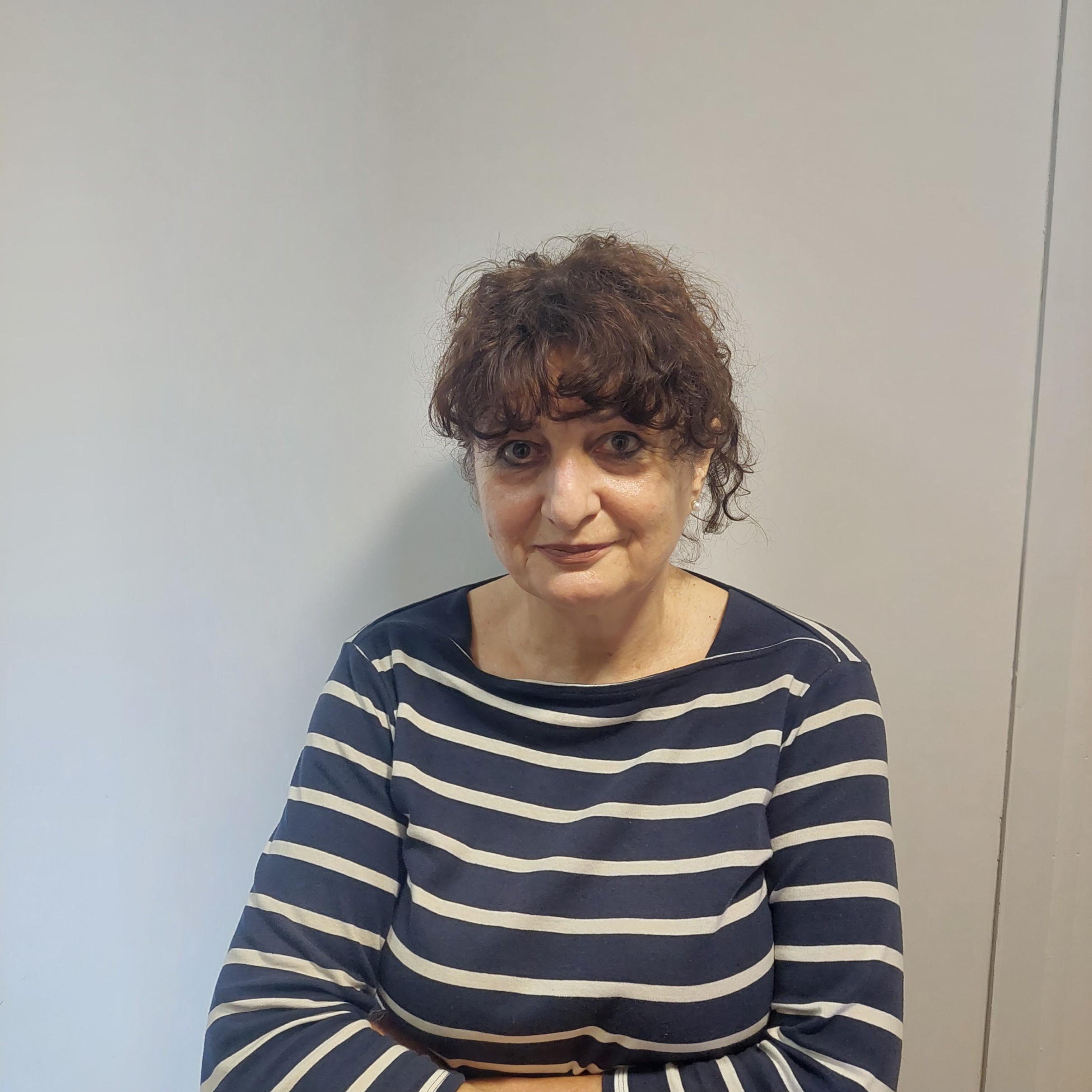
Sandra Janjus
Leading Production Engineer
-The beginning of my career as an engineer was at the Water Treatment Plant, and soon after, I moved to the Petroplast factory – pipe production, where I served as Assistant Director and Director of the Factory.
Working in production also meant working in a predominantly male environment. I adapted to these circumstances very quickly, and throughout all these years, I have had a very positive experience working with my colleagues.
With the start of HIPP’s integration into NIS in 2023, I became the Head of the Pipe Factory and soon after, I took over the management of the LDPE Plant. Such a practice of expanding business responsibilities was not common in the old system, but the new management has enabled my professional growth through new business challenges. These challenges occurred daily in both plants, always different — sometimes exceptionally difficult — but they were resolved with the selfless help of both my new and old colleagues.
In the new environment of the LDPE Plant as well, in the midst of the transition, we fought as a team to procure parts for our specific equipment and raw materials, ensuring that production functioned normally while respecting all rules and procedures.
Despite all the challenges, and although it might seem to some that a woman’s job in a male-dominated environment can be difficult and unequal, my experience refutes this and suggests the opposite. Team collaboration is what defines my work in such an environment.
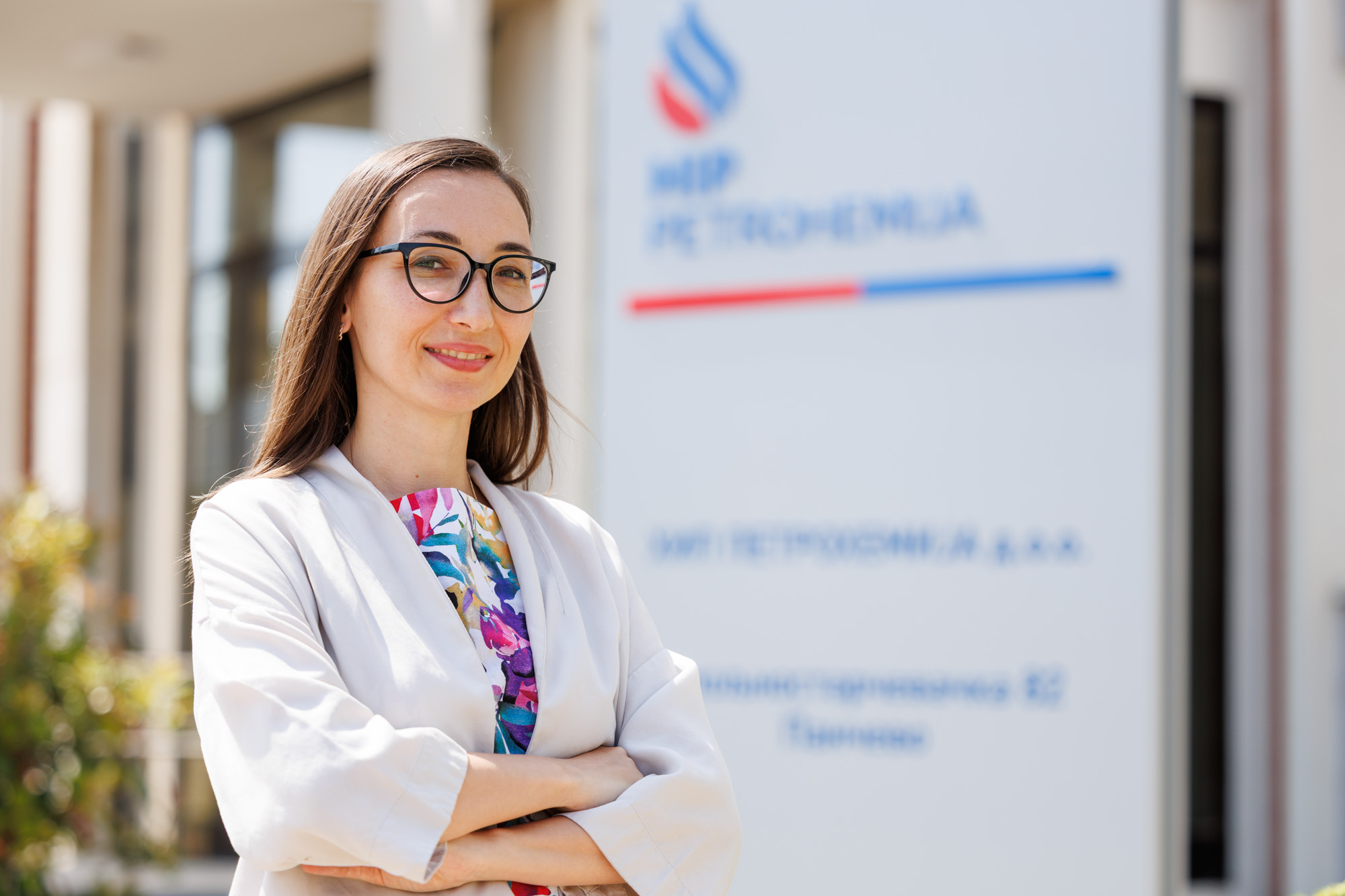
Ivana Belusevic
Head of Environmental Protection Sector
– My team consists of six members — four women and two men. I could make a joke and say that this is a true female-male balance, so I will speak on behalf of the entire team about how we manage to work in a ‘male industry’ at our locations in Pančevo and Elemir.
Working in Environmental Protection Sector brings numerous challenges — from complying with increasingly stringent legal standards and handling the demands of operational field work, to the need for maintaining business efficiency at the same time. In this process, we collaborate daily with state institutions, external operators, as well as with colleagues from production. We strive to build a relationship of trust with everyone, because without mutual understanding, there can be no sustainable results.
I believe that in business, both women and men can be equally conscientious, dedicated, and responsible, but I notice that women often contribute a different, more long-term, and comprehensive way of thinking and problem-solving in the field of environmental science. This is important because environmental protection does not stop at the factory gate. Someone has to think about where the waste ends up, whether it is properly disposed of, and what its long-term impact on the environment will be — and that is where we come in, to propose solutions that are responsible and sustainable.
If I had to highlight one specific challenge for women managers, it would be finding a balance between private and professional life. I strive to maintain it by building mutual respect, understanding, and open communication with my team. Team spirit and interpersonal support know no gender i.e.,they are geneder-neutral. Also, I try to learn from my more senior female colleagues, as I believe that every woman’s success should be an inspiration to others.
When it comes to the challenges in this field, I believe the most important one in environmental protection is maintaining motivation and integrity in a job that demands great responsibility toward the future — because the decisions we make today will impact generations to come. Therefore, I believe our work is more than just a job – it is a calling.
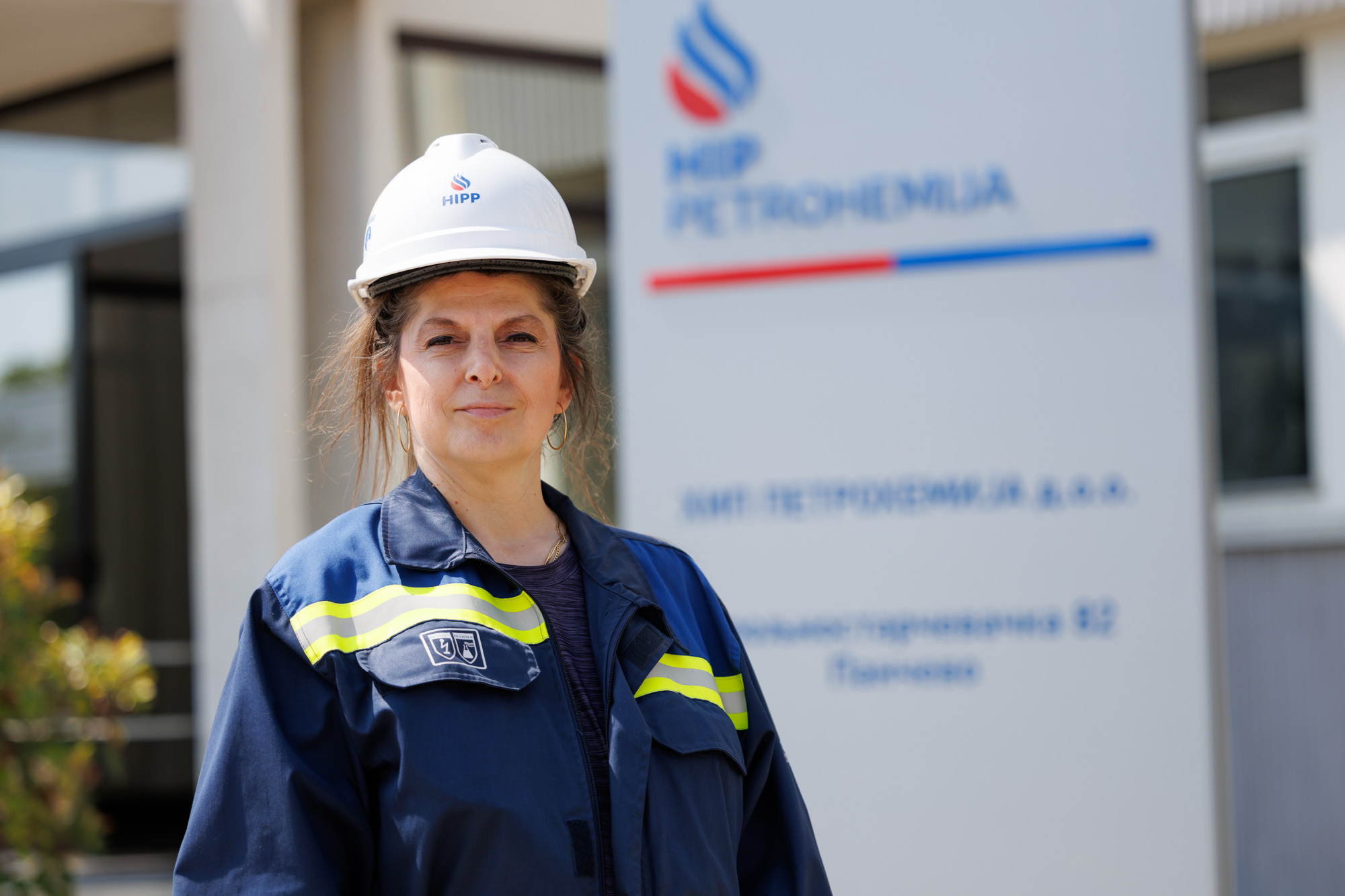
Biljana Kracunov
Head of Water Treatment Plant
She takes us back to the very beginning of her career at Petrohemija:
– February 1997, a now-distant winter morning and my first time passing through the Factory gate.
We were riding in an old red van with improvised and not very comfortable seats, following a route unknown to me, toward a small building made of facade brick.
That is where my story at Petrohemija begins – a young engineer, slightly intimidated but curious. The introductions began… A male collective, everyone polite, all office doors open. The Director – a woman. I looked at myself – blue work-wear, hair tucked under a helmet, and my makeup is a mess.
Every day, alongside those fine guys, I take notes, ask questions, and get answers, gaining the kind of knowledge that university could never provide. Mutual appreciation and respect prevail, alongside technical and technological challenges, problem-solving, and various discussions about eternal rivals, the derby, cars, tractors, successful children, working in accelerated shifts… Everyone was with a positive attitude, with that ‘little flame’ — the Petrohemija logo — and we lead the process, we protect the factory, and we hope for the best. That is how we survived the year 1999.
And here I am, 28 years later — the same burgundy facade brick building, all office doors open, a predominantly male collective, teamwork, mutual respect, common goals, under leadership of a woman. It is not difficult, no distinctions are made, and the ‘eternal derby’ rivalry is still very much alive — as is the will and commitment to tackling everyday process-related, technological, and various new challenges.
We continue to learn. We do not give up. Positive energy, experience, expertise, appreciation, and sharing — this is now a well-known path of trust and loyalty. With new colleagues, with responsible and safe management, and the spreading of awareness about company values, our ‘little flame’ keeps on glowing and keeping us warm us, even more brightly than before.
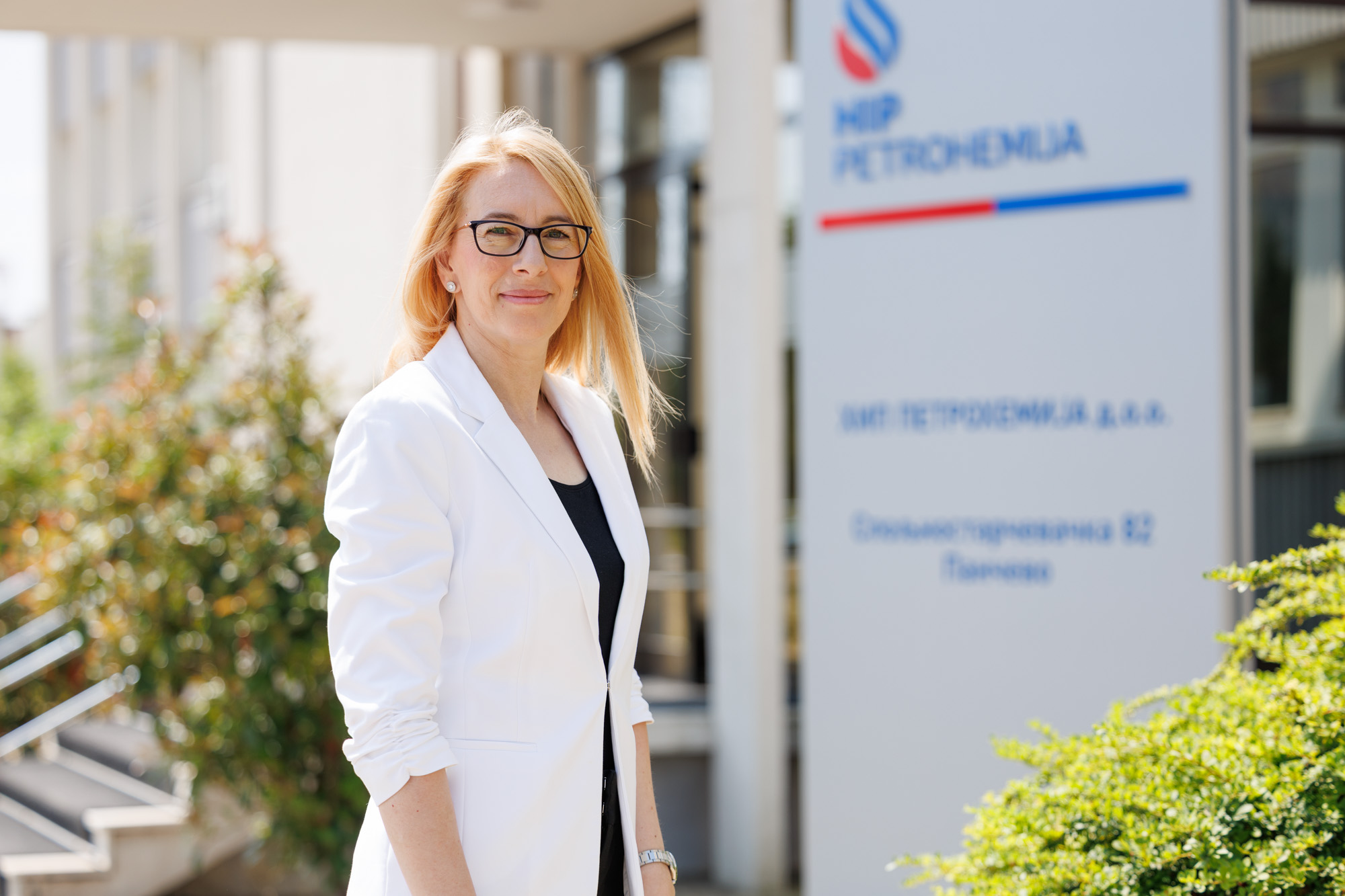
Branka Mijuskovic
Head of Petrohemija Laboratory
– I started as an intern engineer 22 years ago. When I first put on my protective clothing and toured all the production plants, I could not wait to start learning about the work process. I gathered knowledge from senior colleagues and read through all those yellowed books of the factory’s licensed documentation. Every question I asked my colleagues was always met with an answer.
And here I am today, in a new environment as the Head of the Laboratory. Accepting new rules through the integration of Petrohemija into the NIS Group, working in a new business environment. Further professional development represent a new challenge for me. Together with my team of 107 employees, I bear the responsibility for the ‘quality seal’ of of every chemical and product that enters or leaves our production.
The Laboratory is a predominantly female environment, but since the laboratory process is standardised with clearly defined procedures, it makes no difference whether it is performed by women or men. Most people believe this is a male industry, but I think women just need to be given a chance to showcase their knowledge and abilities.
As an engineer then, and as a manager today, I collaborate daily with colleagues from production, technical directorate, and other services and departments; I see no distinction between ‘male’ and ‘female’ work, as we all strive to find the best solution and ensure the safe and efficient operation of the Factory.
Now that I am part of the management, I can see the ‘bigger picture’ of this business, as well as the weight and complexity of decision-making. I would say that the Laboratory team, with female pragmatism and male decisiveness, is moving toward achieving great goals.
Furthermore, as the Ethics Advisor in our company, I strive to promote the Code of Business Ethics as an important principle of our mutual cooperation and equality.
Nevertheless, for every woman, the challenge lies in the balance between work and family, regardless of her profession. It seems that I am succeeding so far, even with two teenagers at home. I believe that if we manage to truly hear one another, we will always find a way to understand each other.
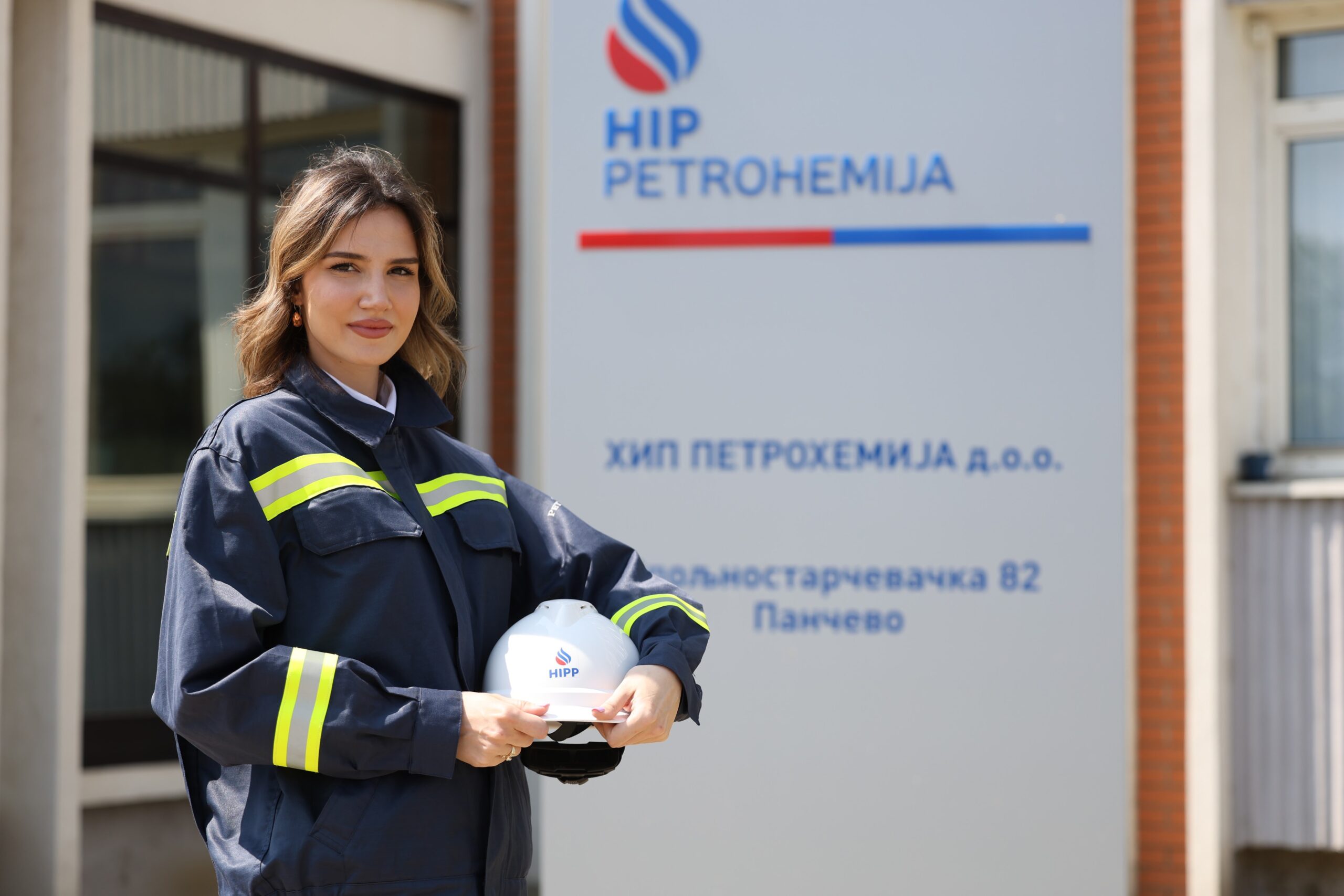
Teodora Jovanovic
Lead Engineer for Civil Engineering Works
– My first job after university was in the HIPP Civil Engineering Section, as a construction site engineer. Although the environment was predominantly male — often considered a challenge — my experience has been exceptionally positive.
From day one, my colleagues conveyed the message and their attitude, that expertise, knowledge, and responsibility are the values most respected in our profession, regardless of gender.
Since I started at HIPP, we have dealt with several operational downtimes each year. During the last planned shutdown in February this year, I had the opportunity to lead the team independently, as the Lead Engineer in charge of the Civil Engineering Section. Although the task was not simple, through teamwork we managed to complete all planned, as well as unplanned, maintenance activities on time.
At HIPP, many projects and tasks are multidisciplinary and require collaboration, so building trust and respect among colleagues — from civil and mechanical to chemical and other engineering disciplines — is just as important as expertise, knowledge, and responsibility.
I believe that professional fulfilment, regardless of gender, primarily depends on each individual’s willingness to live and work in accordance with their values, build quality relationships, and in that way, make a difference.