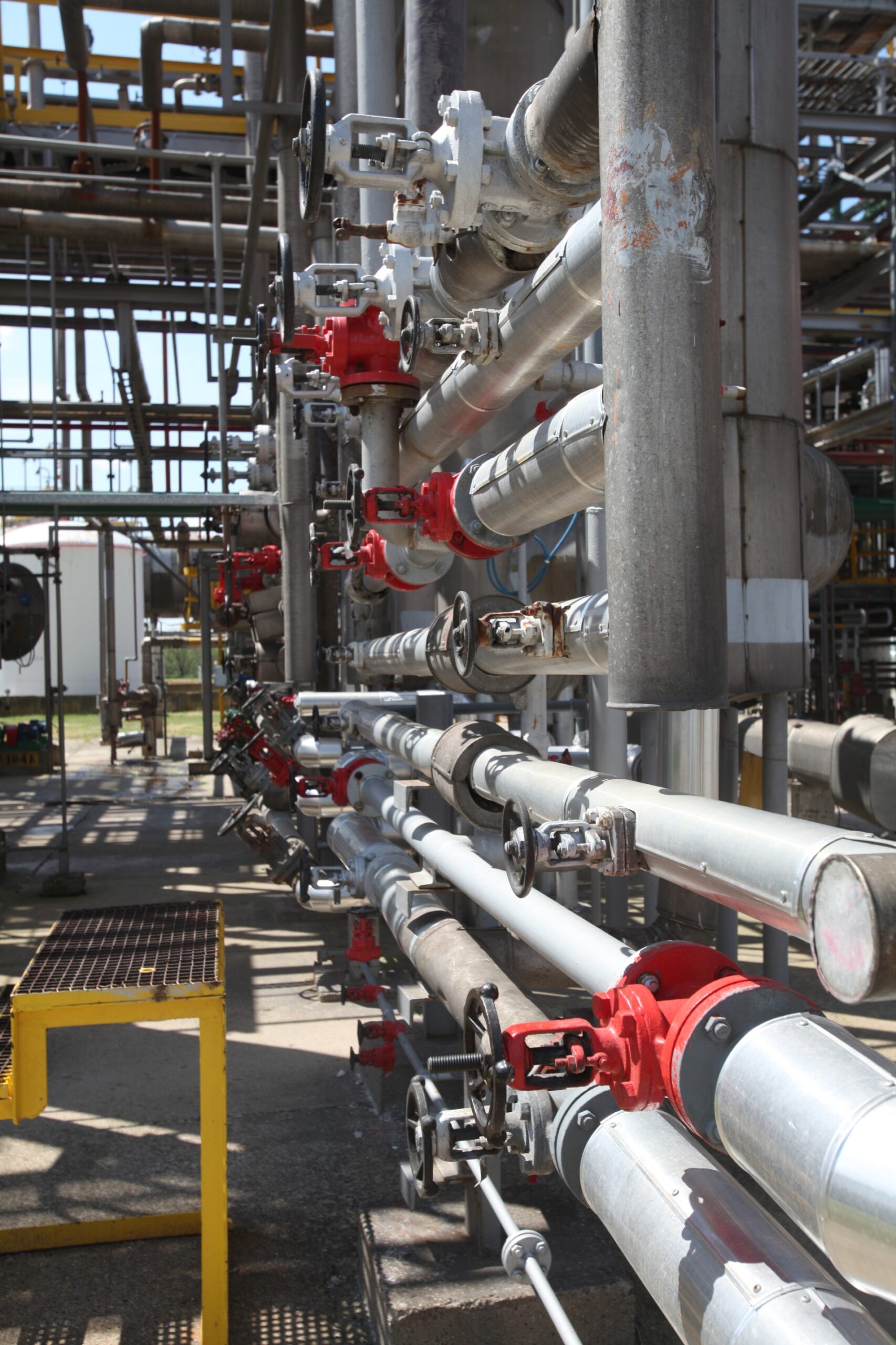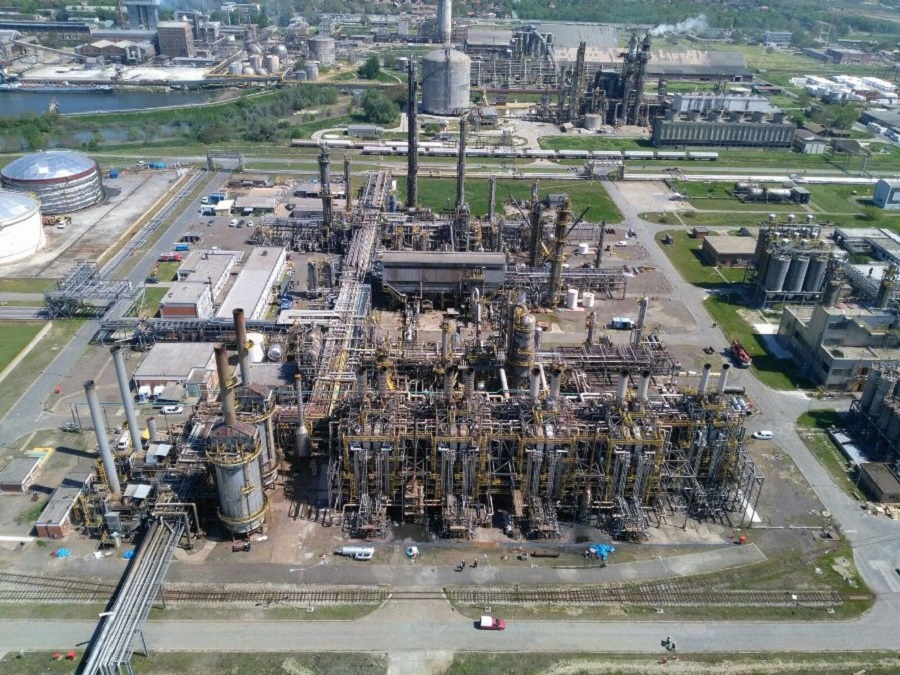
The construction of the factory for the production of ethylene began in 1976 under the license of the design company Stone & Webster (USA), while the pyrolytic gasoline hydrogenation plant project was done by the Institut Français Du Pétrole (France). Complete production and product specification were achieved in November 1979.
The projected annual capacities are in tons
Product
Capacity
Field of application
200.000
for the production of polyethylene, ethylene dichloride, ethylene oxide, ethylene glycol, ethyl alcohol, etc.
85.000
for the production of polypropylene, propylene oxide, propylene glycol, acrylonitrile, EPDM, propylene dichloride, propyl alcohol, etc.
45.000
for the production of synthetic rubber, latex, synthetic resins, polybutadiene rubber, ABS, etc.
Pyrolytic oil
38.000
as a raw material for the production of industrial carbon black
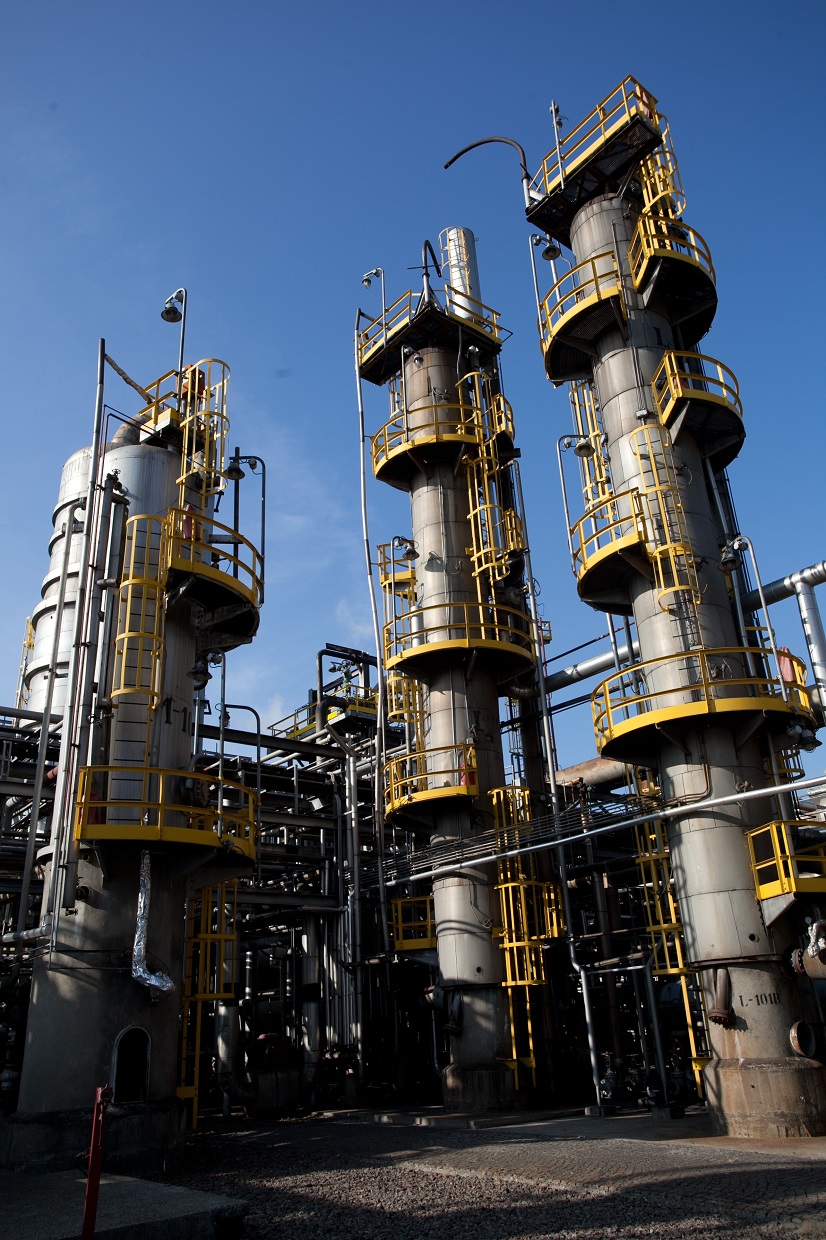
The production process of the Ethylen factory consists of the following parts:
• Sections of pyrolytic cracking – pyrolytic furnaces
• Primary fractionation sections
• Crack gas compression and washing sections
• Cold fractionation sections
• Warm fractionation sections
• Pyrolytic gasoline hydrogenation sections
In addition, the plant has storage tanks and auxiliary power, cooling and process fluid systems.
Feedstock in ethylene production process
The starting raw material in the process of obtaining ethylene is primary (crude) gasoline (heavy straight-run naphtha), one of the products of the atmospheric distillation of crude oil.
The raw material (primary gasoline) is diluted with water vapor and subjected to cracking – the breakdown of hydrocarbon molecules into smaller reactive units – free radicals, which recombine into new molecules depending on the reaction conditions. This thermal reaction takes place at high temperatures above 800°C, whereby higher temperatures in the furnaces increase the proportion of the main product (ethylene) in relation to other components.
The reaction is terminated by sudden cooling (quenching) of the output mixture (crack gas) in heat exchangers, and then, before proceeding to primary fractionation, the output mixture is additionally cooled, whereby high-pressure steam is obtained that can be used as an energy source.
After the sudden cooling of the output mixture, in the other sections of the factory there follows a series of separation of heavier and lighter hydrocarbons from the main products, as well as the removal of water, acid gases and other reaction products that can adversely affect the quality of the basic product and especially the quality and yield of ethylene derivatives. The separation is carried out by multiple consecutive distillations, cooling and condensing of the components of the mixture in complex systems of columns and vessels, with a compressor system and heat exchangers in special sections of the factory.
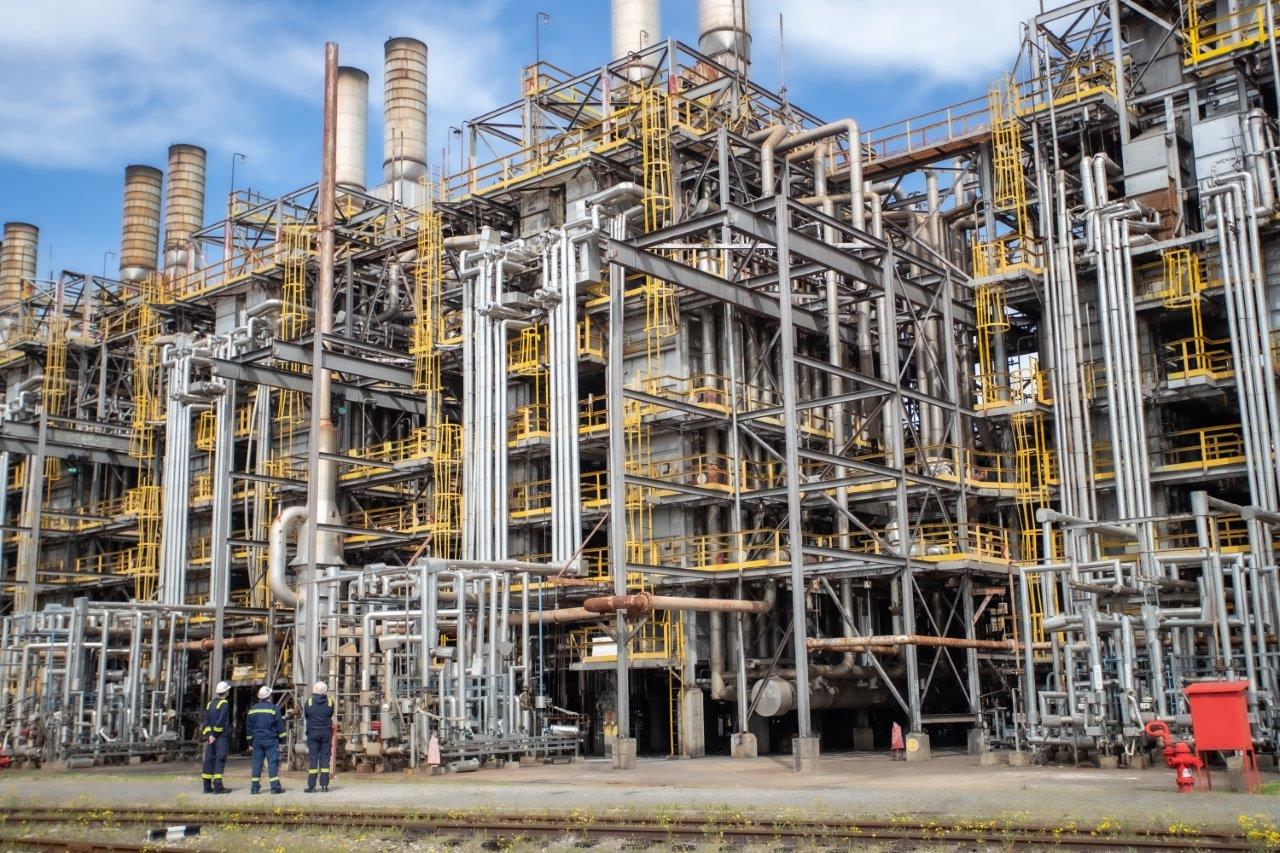
Part of cold fractionation
In the cold fractionation part, methane and hydrogen are separated from the gaseous C2 stream at a very low temperature of -163°C. Gaseous methane further serves as fuel gas, and hydrogen as a reactant for the hydrogenation of acetylene into ethylene and for the stabilization of pyrolytic gasoline. The liquefied C2 stream contains all hydrocarbons with two C atoms – the desired ethylene, but also ethane and acetylene. Acetylene is converted into ethylene by reaction with hydrogen, and ethane is separated by distillation and used as part of the raw material mixture.
In the end, only polymer-grade ethylene (ethylene polymer grade) with a minimum of 99.9% mol ethylene remains, which was the goal of the entire process. Such ethylene is ready for use in our polyethylene plants or for storage in cryogenic tanks and further sale.
In each of these sections, some useful component or fluid is separated, while eliminating undesirable compounds and returning to the process those components that can serve as energy, raw material or reactant:
In the primary fractionation section, the products are separated – pyrolytic oil and untreated pyrolytic gasoline, along with water, from which steam is again produced for dilution and returned to the beginning of the process, in the pyrolytic furnaces.
In the section of compression and washing of cracked gas, C3 and all C4+ hydrocarbons (with four or more C atoms) are finally separated as a liquefied part, and the gaseous C2 stream is sent to the next section. In this section, harmful acid gases are removed between the third and fourth stage of compression.
However, it is necessary to use the rest, ie. previously separated stream containing C3 and C4+ hydrocarbons.
In the hot fractionation section, this stream is separated into a part containing propylene and propane and a part containing C4+ hydrocarbons.
The part that contains a minimum of 93-95% propylene and a maximum of 7% propane represents the produced propylene of chemical purity (propylene chemical grade), which is stored in a cryogenic tank until delivery.
The stream containing the C4+ hydrocarbons is again subjected to separation, with the C4 components being the product – the C4 fraction intended for the production of 1,3-butadiene and later synthetic rubber (SBR) at our Elemir plant.
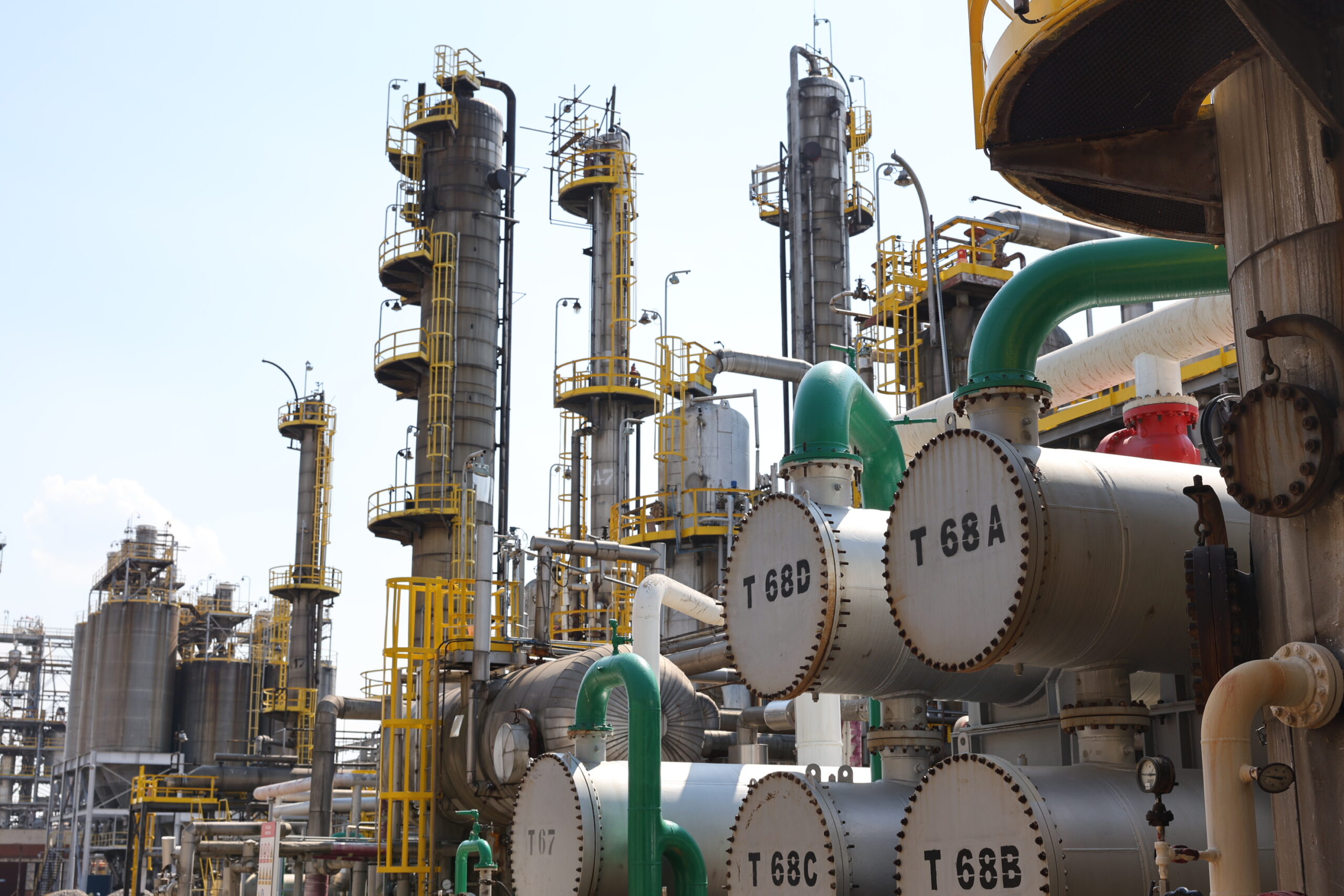
Untreated pyrolytic gasoline
Untreated pyrolytic gasoline, created in the primary fractionation section, contains certain amounts of diolefins that tend to harden on standing. That is why it is necessary to stabilize pyrolytic gasoline, i.e. hydrogenate hydrocarbons with two double bonds and convert them into more stable forms, which is done in the pyrolytic gasoline hydrogenation section. Treated pyrolytic gasoline is used as one of the components when mixing motor gasoline or as a raw material for obtaining aromatics (benzene, toluene and xylene).