Waste Water Treatment
Waste Water Treatment
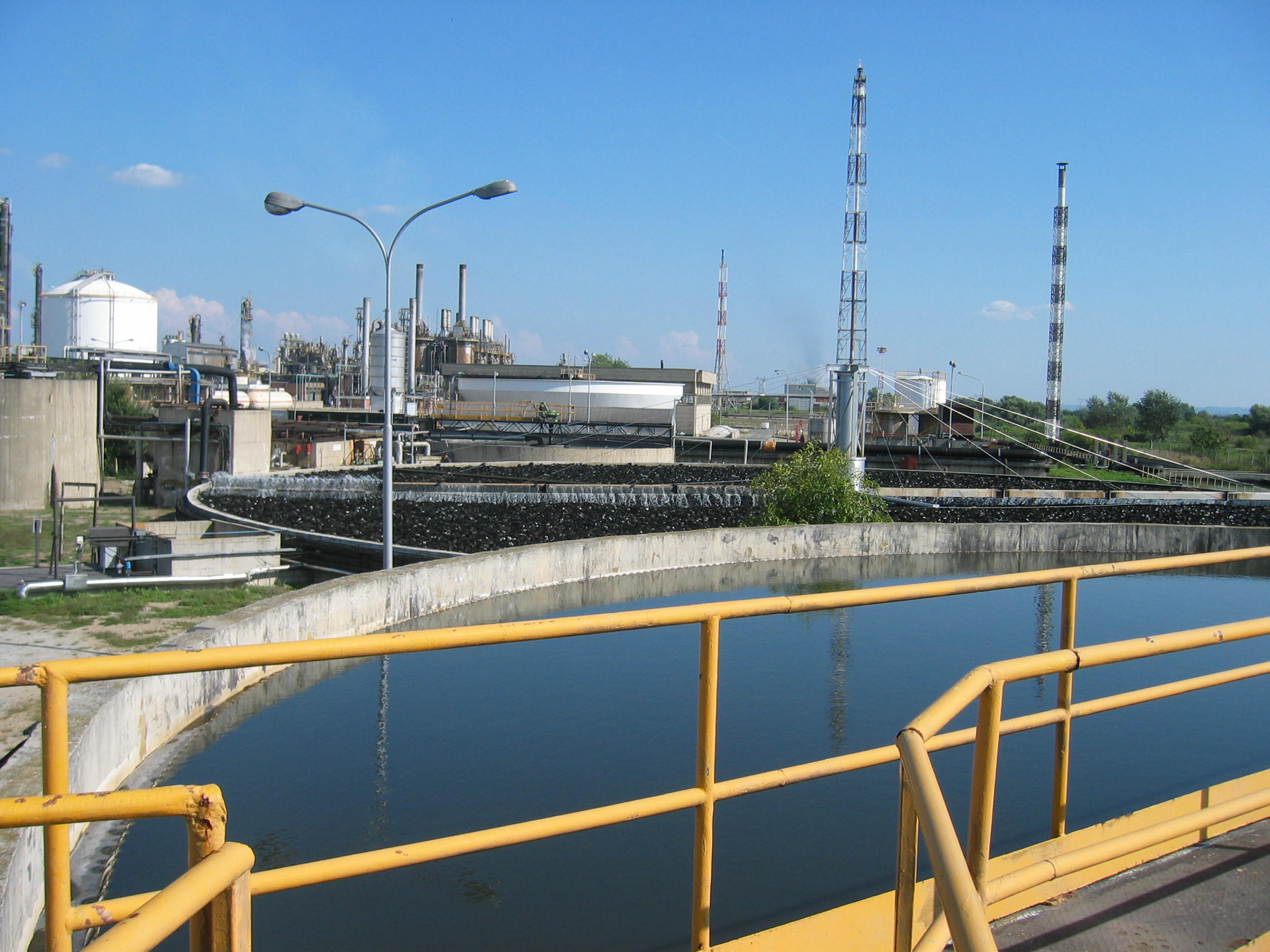
The Waste Water Treatment plant is one of the most important links in the chain of environmental protection in HIP-Petrohemija. It was designed so that it can accept and process waste water not only from all HIP-Petrohemija production plants, but also from the neighboring NIS Refinery of Pancevo oil. The factory started operating in 1980, and in 1991, a plant for the treatment of sludge separated from waste water was launched.
The modern waste water treatment system consists of a closed sewage system of the entire petrochemical complex, pre-treatment by production plants, special pre-treatment for caustic water flow from the Ethylene factory and a central waste water treatment plant.
Waste Water treatment plant
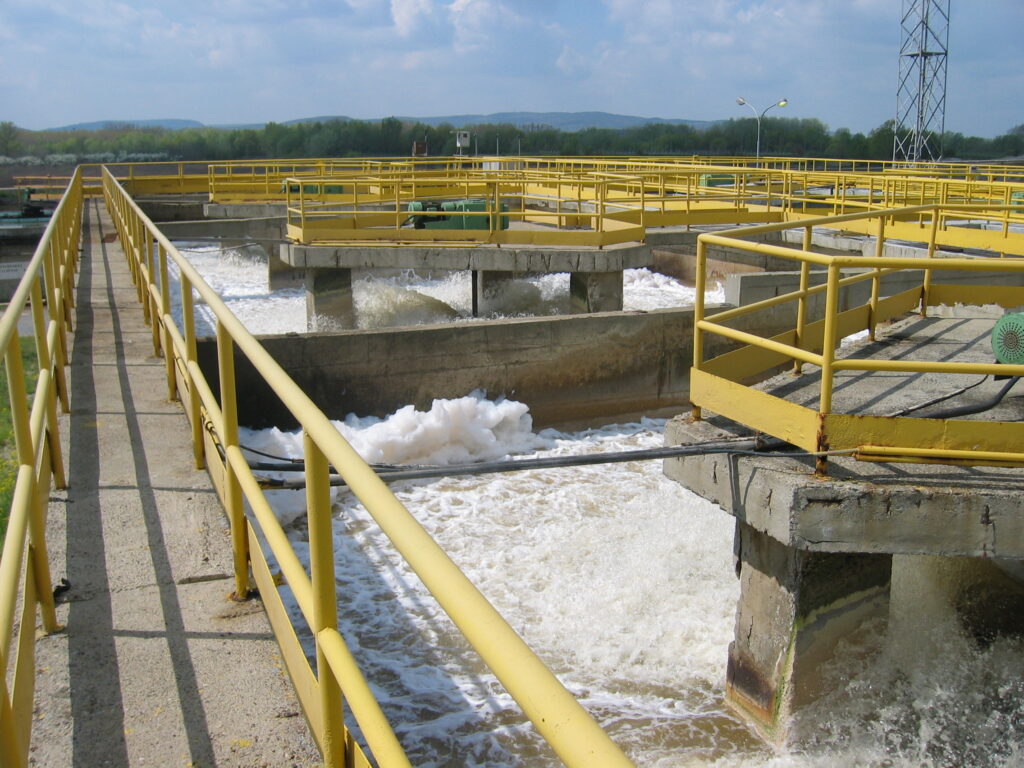
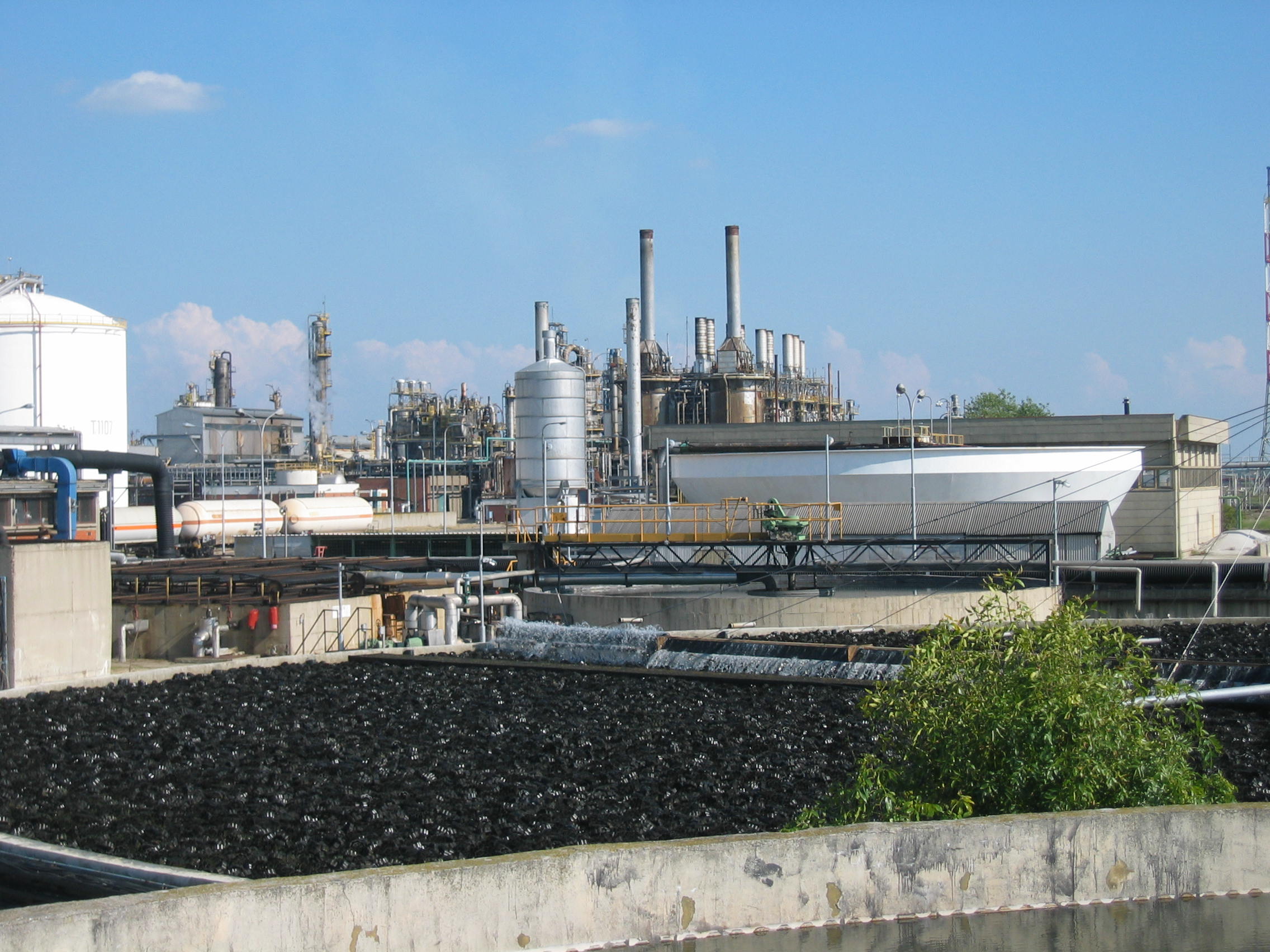
In the water purification plant, primary (equalization, neutralization, flocculation and flotation) and secondary treatment (two-stage biological – biofilter and activated sludge) of waste water is carried out, as well as dehydration and stabilization of separated sludge.
The processing capacity is 750 m3 of waste water per hour.
The key parameters used to determine the efficiency of a water treatment plant are the reduction of oil, phenol, and chemical and biological oxygen consumption. Purification of water in our plant achieves a degree of reduction greater than 90 percent, which speaks of a high degree of purification, as well as the efficiency and advantages of the applied aerobic-biological treatment within the secondary water treatment.
After the NATO bombing in 1999, in the period from 2001 to 2004, the rehabilitation (improvement) of the water purification plant was carried out, in coordination with UNEP. The neutralization process in the primary water treatment is automated, while in the secondary treatment the work of the biofilter has been perfected using polypropylene filling with a large active surface and a more modern concept of the biofilter arm, as well as increased oxygen intake. By installing deep aerators and automating management, water purification with activated sludge as part of secondary treatment has been improved.