LDPE
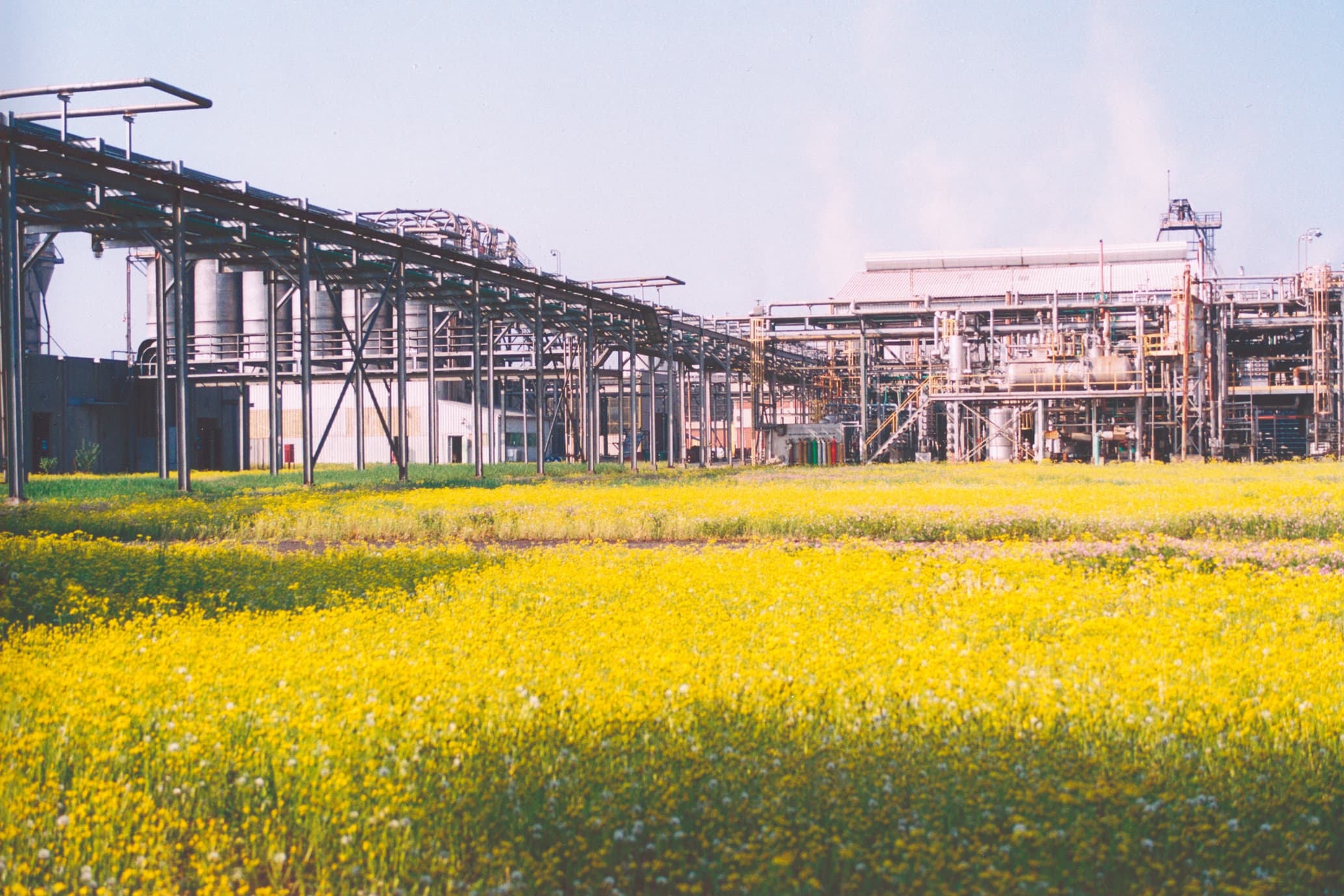
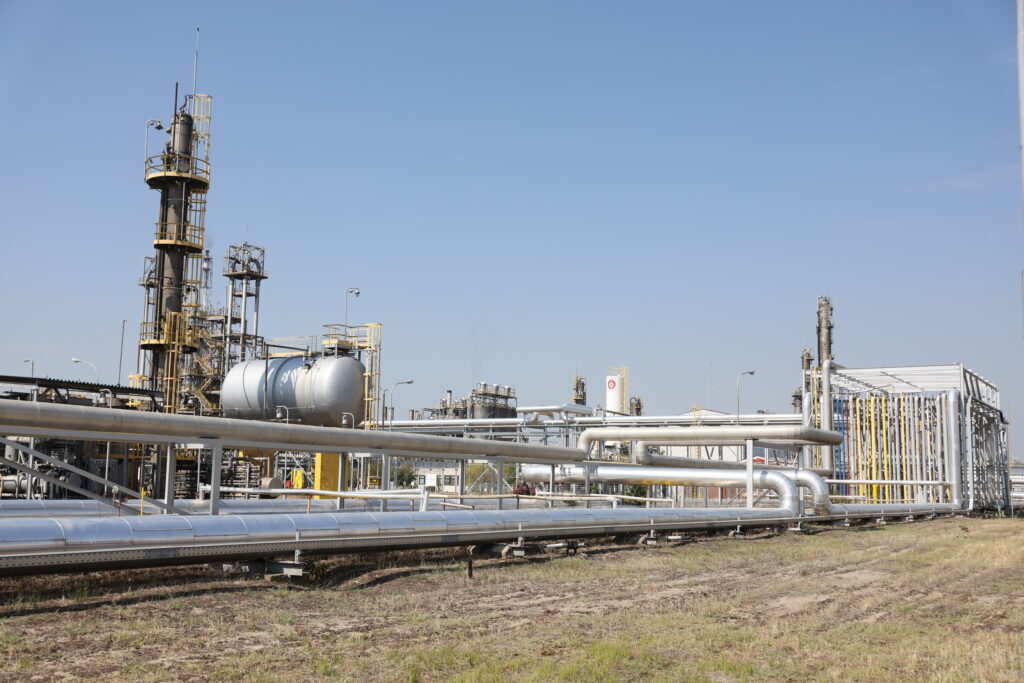
Low Density Polyethylene Factory – LDPE, was built and put into operation in 1979 based on process technology National Distillers Co (USA), and according to the design Foster Wheeler Co (USA) .
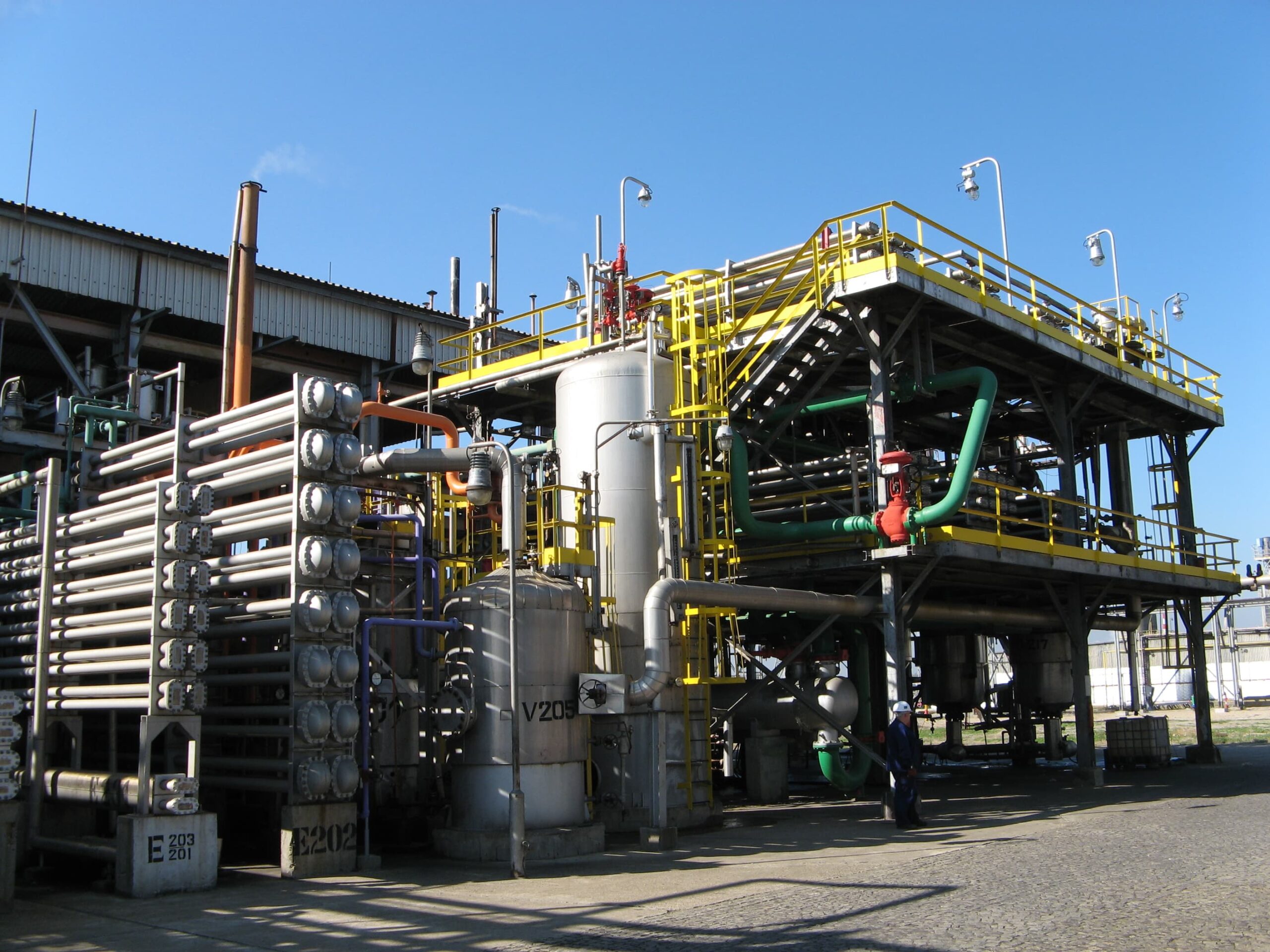
Ethylene polymerization takes place in an autoclave reactor under high pressure up to 2,000 bar. Continuous production on one line, with a capacity of 57,000 tons per year so far, produces products in the form of granules. The basic sections of the process are the synthesis section, then the silo, packaging and storage section.
LDPE
Fresh ethylene with the return ethylene stream from the flash gas system is introduced into the primary compression system, where it is compressed to 245 bar. In the secondary compression system, the pressure is raised to 2,000 bar as needed. Under such conditions, the gas is introduced into the reactor, where the polymerization reaction is started with the help of an initiator. The obtained polymer is cooled and taken to a high-pressure separator to separate the unreacted gas, which goes to the recycle system. The polyethylene is then introduced into a low-pressure separator, and from there into an extruder. From the extrusion system, the obtained granules are transported to silos, where they are aerated in order to eliminate traces of ethylene and obtain a uniform polymer. By pneumatic transport, the granules are transferred to two automatic lines, one for bagging and the other for bulk loading into tank trucks. The polymer is packed in 25 kg bags and less often on pallets. Process technology makes it possible to obtain several types of products with different characteristics, suitable for a wide range of applications.
The trade name for low density polyethylene is HIPTEN®. It is used for various processing techniques, from film extrusion, foils and plates, to blowing and injection molding of products for various purposes.